Commandez en ligne, retrait gratuit en librairie

A Puppet-Play in Pictures
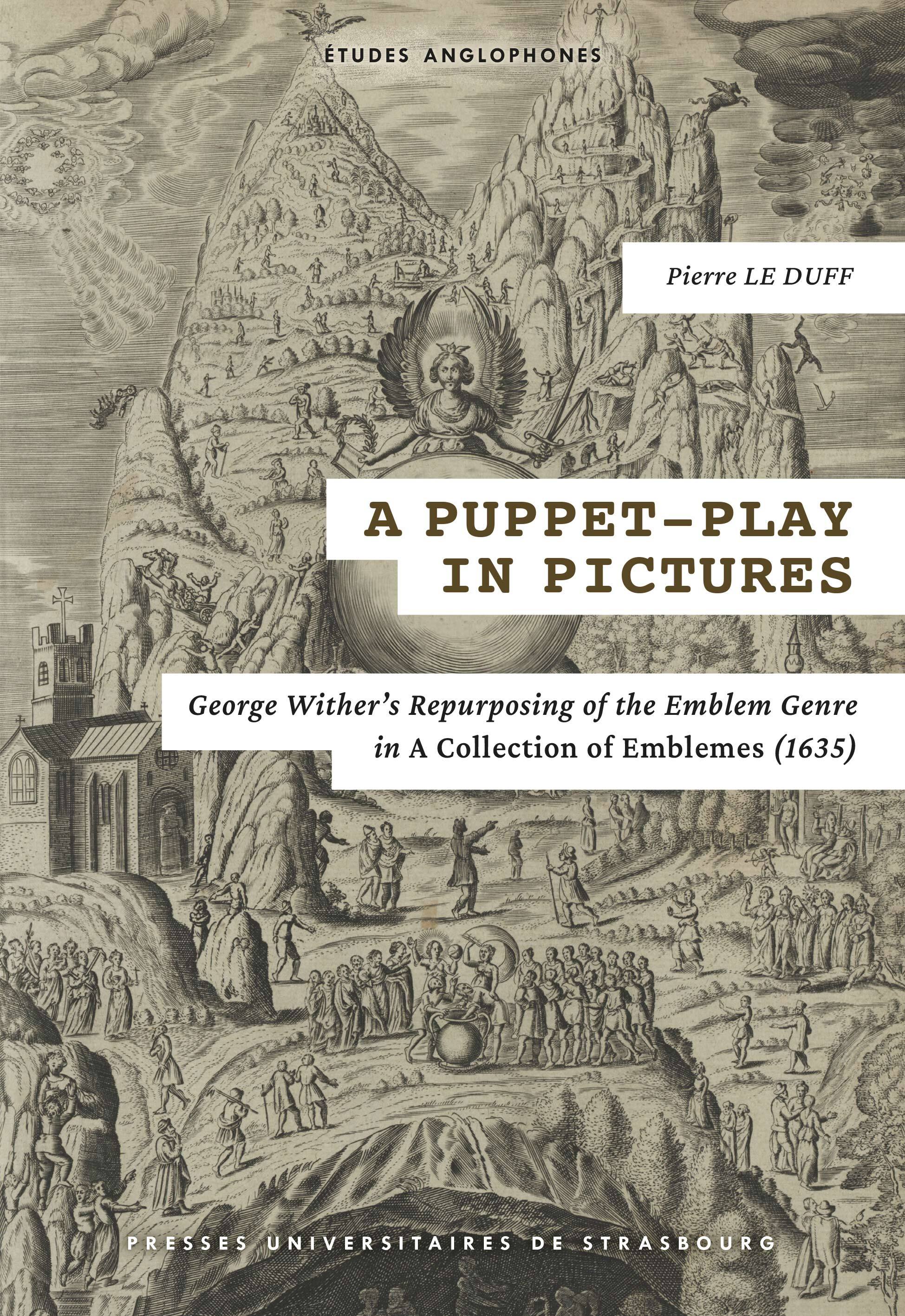
More than a book - a game! In 1635, George Wither published his collection of allegorical engravings (accompanied by commentary), which he presented in the form of a lottery. The analysis of this little-known work sheds light on the profound changes taking place in 17th-century England. In 1635, George Wither, the satirist, psalmist, regular inmate at the Marshalsea, former favourite of James I and self-appointed « Remembrancer », arranged for the printing of his Collection of Emblemes, Ancient and Moderne. Though loathed by critics, this book is a highly remarkable iteration of the genre. Wither used pre-existing engravings, re-interpreted the pictorial motifs, and used the resulting emblems as lots in an interactive game appended to the book. Le Duff situates Wither’s emblem book in the context of early Stuart England on the eve of the Civil War. He explores the political, moral, and religious views expressed both in its verse and its structure, and highlights the book’s original take on a changing literary genre. Wither may not have been a king among bards, but he was a tireless critic of his own time, perhaps the most tumultuous in British history. If nothing else, his Emblemes paint a multi-layered picture of a fascinating period, on that is well worth exploring.
À propos de ce livre
More than a book - a game! In 1635, George Wither published his collection of allegorical engravings (accompanied by commentary), which he presented in the form of a lottery. The analysis of this little-known work sheds light on the profound changes taking place in 17th-century England. In 1635, George Wither, the satirist, psalmist, regular inmate at the Marshalsea, former favourite of James I and self-appointed « Remembrancer », arranged for the printing of his Collection of Emblemes, Ancient and Moderne. Though loathed by critics, this book is a highly remarkable iteration of the genre. Wither used pre-existing engravings, re-interpreted the pictorial motifs, and used the resulting emblems as lots in an interactive game appended to the book. Le Duff situates Wither’s emblem book in the context of early Stuart England on the eve of the Civil War. He explores the political, moral, and religious views expressed both in its verse and its structure, and highlights the book’s original take on a changing literary genre. Wither may not have been a king among bards, but he was a tireless critic of his own time, perhaps the most tumultuous in British history. If nothing else, his Emblemes paint a multi-layered picture of a fascinating period, on that is well worth exploring.
Publié chez PU STRASBOURG en septembre 2026, cet ouvrage fait partie de nos recommandations au rayon Romans.
Le mot du libraire
Chaque livre présent dans notre librairie a été lu ou parcouru par notre équipe. Ce titre nous a particulièrement marqués pour sa qualité d’écriture et la justesse de son propos. N’hésitez pas à passer à la librairie : nous serons heureux d’en discuter avec vous.
Souvent achetés ensemble



Ce qu’ils en ont pensé
Aucun avis pour le moment — soyez le premier à donner le vôtre.
Connectez-vous pour laisser un avis.
Une question sur ce livre ?
Un libraire lit votre message et vous répond — sur A Puppet-Play in Pictures comme sur ce que vous pourriez lire ensuite.
Une question fréquente, à compléterVotre adresse sert uniquement à vous répondre. Elle n’est ni affichée, ni transmise : la librairie répond par la messagerie Vitaville.
0/2000